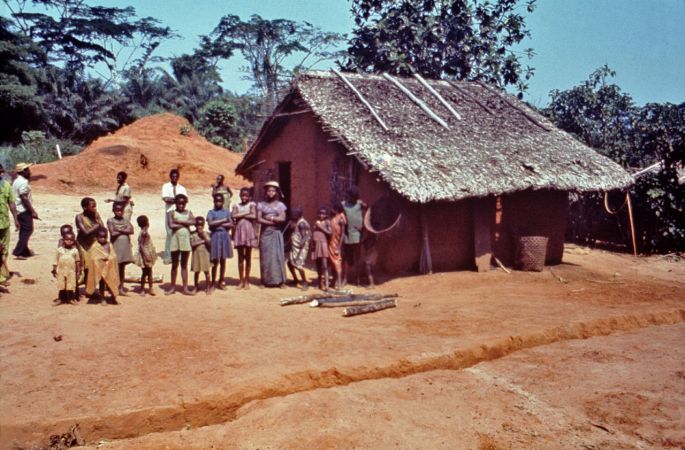
BY RACHEL ARNESEN “Ebola in the air? A nightmare that could happen.” “Ebola: World Goes on Red Alert.” “Ebola: ‘The ISIS of Biological Agents.’” These headlines, taken from real CNN and BBC articles, capture all too well the fear mongering that occurred during the most recent outbreak of Ebola in West Africa. From 1996 to … Continue reading An Evolutionary Perspective on Ebola and Marburg Viruses
Author: yaleglobalhealthreview
A Cultural Approach to Domestic Violence
BY MARISA LONDON The following piece does not reflect the views of the Yale Global Health Review. In March 2016, the New York Times released an article titled “To Maintain Supply of Sex Slaves, ISIS Pushes Birth Control.” The article discussed the ways in which a corrupt interpretation of Islamic law, coupled with the various … Continue reading A Cultural Approach to Domestic Violence
To Cook or Not to Cook?
BY MAHRUKH SHAHID “To cook or not to cook is a consequential question”.1 The above quote is one of the parting words from Michael Pollan’s documentary Cooked—a four-part miniseries divided into the classical elements: air, earth, fire, and water. Pollan shows us the science, and magic, behind the transformation of these elements into food. His … Continue reading To Cook or Not to Cook?
Ecuador’s Earthquake: The Mental Health Consequences of Natural Disasters
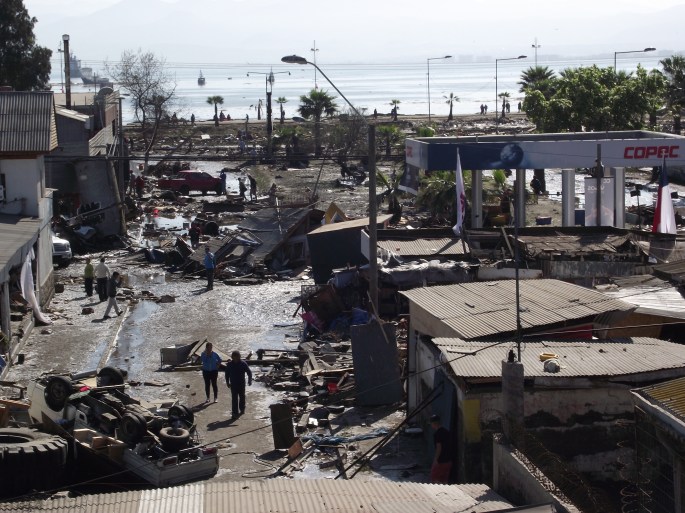
BY CARLIN SHERIDAN On April 16, 2016 a 7.8 magnitude earthquake struck Ecuador, killing 659 people and injuring over 16,600.1 As the nation begins its emergency response, the disaster sheds light on the weaknesses of its health infrastructure. Natural disasters can be characterized as a health issue because in addition to causing physical injuries, they also destroy urban, … Continue reading Ecuador’s Earthquake: The Mental Health Consequences of Natural Disasters
Diabetes: Health Inequity of Mexican Immigrants in the United States
BY ANABEL STAROSTA In the United States, Latino immigrants are especially affected by certain illnesses due to social and structural factors beyond their control. Latino immigrants often work as disenfranchised laborers, experience ethnic and cultural discrimination, and remain in low socioeconomic conditions. 1 While certain negative health outcomes are equally prevalent across the greater Latino population, Mexican immigrants in … Continue reading Diabetes: Health Inequity of Mexican Immigrants in the United States
Beyond Flint: Lead Poisoning as National Crisis
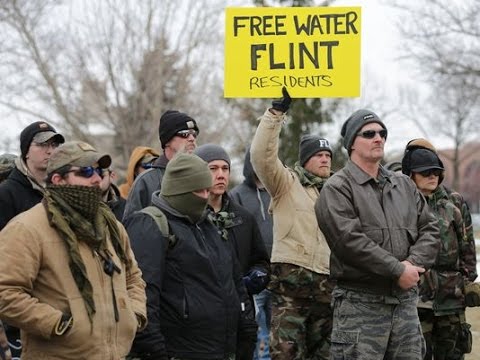
BY HOLLY ROBINSON The ongoing lead crisis in Flint, Michigan has prompted abundant media coverage on both health issues and political corruption. This attention also increased awareness about the prominence of lead poisoning, bringing similar stories from across the nation to the foreground. At least three other cities—Newark, New York City, and Cleveland—have since reported lead crises of their … Continue reading Beyond Flint: Lead Poisoning as National Crisis
TOMS: Impact and effectiveness of “buy one, give one” model
BY AKHIL UPNEJA For the greater part of a decade, TOMS shoes have been a mainstay in regular footwear. Just like any other shoe, consumers have a variety of reasons for wearing them, including the feel of the canvas or cotton material, the unique comfort, or the company label. The niche the company occupies is its social value: … Continue reading TOMS: Impact and effectiveness of “buy one, give one” model
Thailand: A Model for Migrant Healthcare
BY AKHIL UPNEJA At a time when oppressive regimes are committing particularly heinous human rights violations, governments across the world are refusing to welcome refugees and migrants. Even in those nations that do accept migrants, accessing affordable health care is becoming an increasingly important issue. Thailand stands out as a leader in these respects. With … Continue reading Thailand: A Model for Migrant Healthcare
Mental Health Legacies of the Rwandan Genocide
BY ANABEL STAROSTA Beginning in 1990, a civil war between the Hutu-led government and the Tutsi minority group erupted in Rwanda. In 1994, the civil war escalated into a genocide orchestrated by Hutus against Tutsis. As a result of murder and systematic brutality, genocide against the Tutsis and non-extremist Hutus left approximately one million people dead within a period … Continue reading Mental Health Legacies of the Rwandan Genocide
Family Planning in Refugee Settings
BY HOLLY ROBINSON Sixty-one million people needed humanitarian assistance in 2012.1 The health of these refugees is often thought of as a short-term problem that can be solved by providing only food and water, and the goal is often to sustain refugee populations until they are able to move to a more permanent living situation. It is easy … Continue reading Family Planning in Refugee Settings