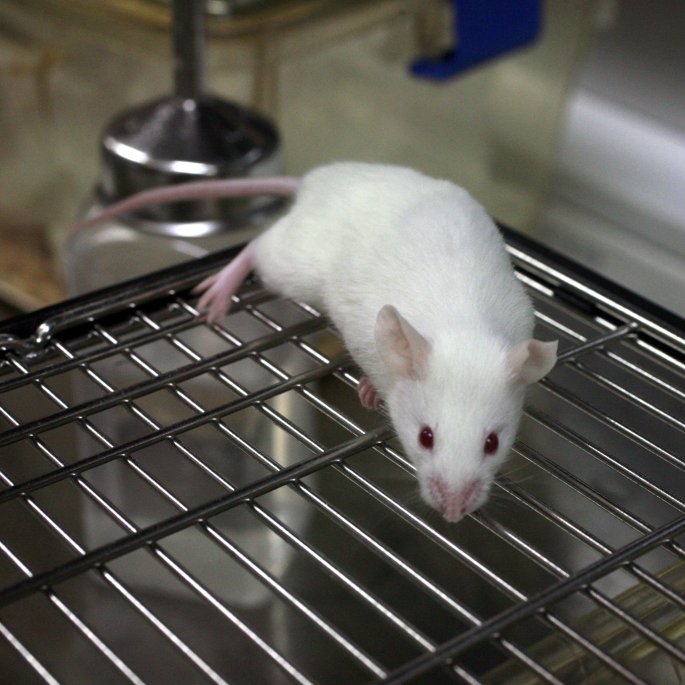
BY ELIZABETH KITT In the 1800s, vivisection—the practice of experimenting on live animals[i]—sparked a massive controversy. Its proponents upheld its necessity and utility. They lauded the progress that had been possible because vivisection allowed doctors to test surgeries and learn about the body in ways that would help them treat human patients. According to its supporters, vivisection served the … Continue reading Vivisection in the 1800s and Today
Category: Uncategorized
Human Health and Climate Change: The Co-benefits of Climate Change Mitigation
BY CLAIRE CHANG A farmer in the Bogor Regency of West Java, Indonesia ploughing a rice field during a drought. Due to lack of irrigation in rural areas, farmers who grow rain-dependent crops such as cucumbers, onions, and rice—staple foods in Indonesia—will be forced to delay planting or rely on other crops during droughts. Source: … Continue reading Human Health and Climate Change: The Co-benefits of Climate Change Mitigation
Syrian Refugee Crisis
BY GRACE YI Since 2011, over 12 million Syrian citizens have been displaced by the Syrian civil war: around 7.6 million citizens have been displaced within the country, while 4 million are seeking refuge abroad[i]. In 2015 alone, more than 500,000 people have fled to Europe, which is now struggling to manage its worst refugee … Continue reading Syrian Refugee Crisis
Sustainable Development Goals–The Future of Global Health?
BY HOLLY ROBINSON This past September, world leaders gathered to determine the future of global health. Their discussions, aims, and goals, however, reached far past the traditional boundaries of “health,” as evidenced by the expansive list of Sustainable Development Goals, or SDGs, that resulted from the United Nations Sustainable Development Summit, held in New York … Continue reading Sustainable Development Goals–The Future of Global Health?
Race and Ethnicity as Persistent Contributors to Poor Mental Health
BY ANABEL STAROSTA Mental health is an incredibly debilitating health problem around the world, yet due to the stigma and lack of understanding, it is an extremely difficult issue to address. According to a study by the World Health Organization, the World Bank, and Harvard University, in high-income countries, mental disorders have the second largest … Continue reading Race and Ethnicity as Persistent Contributors to Poor Mental Health
The Consequences of High Income Countries’ Perception of Ebola
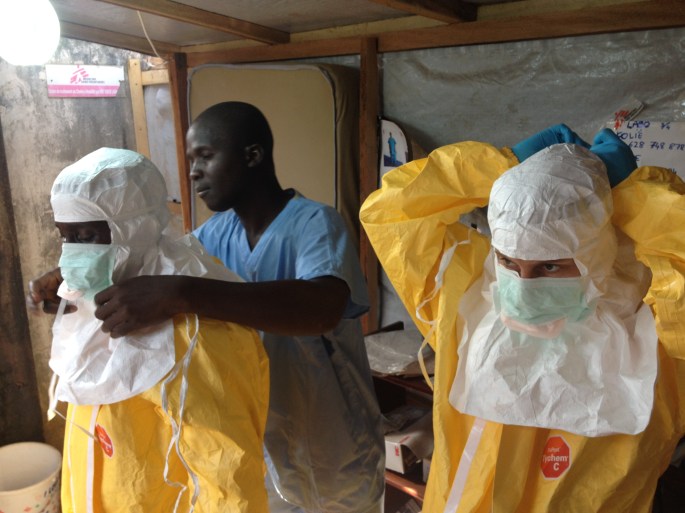
BY SOFIA LAPIDES-WILSON By September 9th, 2014, Liberia had 2,046 cases of Ebola, with 1,224 deaths.[i] 31% of cases were confirmed by lab tests given limited lab materials.[ii] Most hospitals were at maximum capacity, and patients were turned away,returning to their homes to infect their families. By the end of September at least 3,700 children … Continue reading The Consequences of High Income Countries’ Perception of Ebola
El Hospital Del Niño – Reflections on 6 weeks Immersion
BY HANNAH KRYSTAL Week One In Bolivia, I stand out as a “gringa.” For most Westerners, this term suggests an insulting inability to blend into the background while on South American soil. But to a native Bolivian, it indicates no more than Western characteristics. Even blond hair can earn a Bolivian born and bred in … Continue reading El Hospital Del Niño – Reflections on 6 weeks Immersion
Why was South Korea keeping its schools closed?
BY SAM SUSSMAN In the early weeks of June, Middle East Respiratory Syndrome (MERS) and conflict in the South China Sea were at the forefront of East Asian News discussions. While seemingly unrelated, when viewed together, these two topics can answer a quirky question for news junkies and global health nuts alike: Why did South … Continue reading Why was South Korea keeping its schools closed?
Barriers to Care in São Paulo Home Visiting Programs
BY HOLLY ROBINSON I consider myself to be a person who likes being surrounded by people in small, cozy spaces. However, that didn’t seem to the case when I found myself in the middle seat of a ten-hour red eye flight this May. Though there is only a one-hour time difference between New York and … Continue reading Barriers to Care in São Paulo Home Visiting Programs