BY ISABELLE WOLCHEK
In June 2025, over 117 million people were forcibly displaced globally, including 42.5 million refugees and 67.8 million internally displaced people.1 Families and individuals are uprooted for various reasons, such as conflict, ethnic oppression, political beliefs, and group affiliation.2 As a result, refugees face elevated rates of psychological disorders, such as post-traumatic stress disorder (PTSD) and increased rates of depression.3 Despite expanded mental health resources in high-income countries, many barriers prevent refugees from accessing care.
A refugee is someone who has “fled their country to escape conflict, violence, or persecution” and who has “sought safety” in a different country.4 The act of fleeing can be voluntary or involuntary, and many displaced persons are unable to ever return home. The term displaced persons includes asylum seekers, forcibly displaced youth, separated children, stateless persons, and migrants.5 Direct exposure to war, conflict-related trauma, and chronic stress exacerbates the mental health crisis among refugees.6
Among refugees and asylum seekers in high-income countries, 30% experience depression and 29% experience PTSD.7 Compared to individuals in their home countries, they are seven times more likely to suffer from PTSD and three times more likely to suffer from depression, anxiety, and bipolar disorder.7 Other common mental health conditions refugees face include obsessive-compulsive disorder, substance use disorder, and alienation.5 While mental health treatments for these conditions are becoming widely available in high-income countries, refugees are overlooked in the healthcare system and often are unable to receive proper care.
Because mental health services are limited or stigmatized in some cultures of refugees, they can also be unaware that they are experiencing a mental health condition and don’t know how to seek treatment. This can have negative consequences on emotional health. Those who suffer from PTSD have increased rates of nightmares, aggression, irritability, and suicidal thoughts.5 This may lead to withdrawal from family and friends or using substances to cope. In addition to the emotional toll, physical symptoms include headaches, stomachaches, muscle tension, insomnia, fatigue, and gastrointestinal issues.5 All of these effects decrease the overall quality of life and make it difficult to adjust to their new lives.
Approximately 90% of mental health care resources are allocated in high-income countries.7 High-income countries often have substantial government investment in healthcare, accompanied by large, well-trained mental health workforces. Despite this, refugees and asylum seekers often don’t benefit from the healthcare system and are unable to receive adequate care. This disparity in treatment is due to a variety of “demand side” and “supply-side” barriers that inhibit access to proper mental health treatment.7
Demand barriers, resulting from a failure to perceive treatment needs or an inability to seek proper help, are disproportionately labeled as “key determinants of low access” to care.7 As previously mentioned, many refugees come from cultures without an emphasis on mental health care. This affects understanding of mental illnesses and creates negative attitudes towards formal treatment. A fear of stigma and overall lack of awareness of services prevent many refugees and asylum seekers from receiving proper treatment.
On the other hand, “supply-side” barriers to treating mental illnesses are frequently overlooked, yet they significantly hinder access to appropriate care.7 These barriers include language challenges and logistical obstacles, such as paperwork and insurance procedures, which can prevent refugees from receiving timely treatment. Negative attitudes among some providers may also reduce the quality of care and increase rates of neglect. Additionally, administrative practices and resource shortages create systematic inequalities that discourage refugees from seeking treatment in the future.
Research has shown that one of the most effective ways to address these barriers is to consider the contextual factors when working with refugees and asylum seekers. The health care system must consider each refugee as a unique individual going through a life-changing situation, which can negatively affect their mental health. This includes emphasizing cultural backgrounds and daily stressors. By considering living, family, and school environments, providers would also be able to provide necessary care by understanding each person and situation.3
To effectively address these barriers, policymakers implement public health policies that protect refugees’ rights and ensure their health needs are met. Immigration and settlement policies should include public health and prevention frameworks that increase access to basic health services, incorporating trauma-focused interventions and specialized clinical care.6 Engagement and partnership with refugee community leaders can further increase awareness of mental health conditions and promote overall well-being.6
Without structural changes to healthcare systems, expanding resources will not close the gap in refugee mental health outcomes. By understanding contextual factors, providers can make refugees feel safe, both physically and emotionally. Humanizing care for all individuals, especially refugees, would support overall well-being and ensure basic human rights are met.
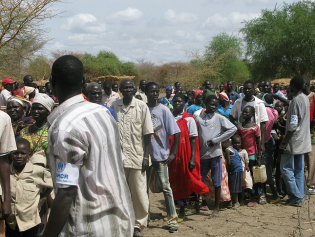
Figure 1 | UNHCR staff assisting refugees in South Sudan. Image by Robert Stansfield/Department for International Development, via Wikimedia Commons (CC BY-SA 2.0). https://commons.wikimedia.org/wiki/File:Working_with_UNHCR_to_help _refugees_in_South_Sudan_(6972528722).jpg
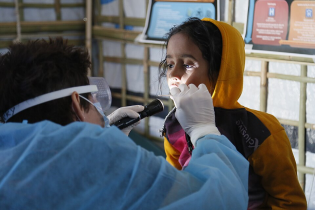
Figure 2 | Pediatric nurse providing care in Kutapalong refugee camp, Bangladesh. Image by Russell Watkins/Department for International Development, via Wikimedia Commons (CC BY 2.0). https://commons.wikimedia.org/wiki/File:UK_Emergency_Medical _Team_paediatric_nurse,_Becky_Platt,_checks_a_girl_for_symptoms_of_Diphtheria_in_ the_Kutapalong_refugee_camp,_Bangladesh_(27822684819).jpg
——————————
References
- Refugee Facts. USA for UNHCR: The UN Refugee Agency. https://www.unrefugees.org/refugee-facts/statistics/ (2025)
- Global Trends. UNHCR: The UN Refugee Agency. https://www.unhcr.org/global-trends (2025)
- Nickerson, A. et al. Trauma and Mental Health in Forcibly Displaced Populations. ISTSS. https://istss.org/public-resources/istss-briefing-papers/trauma-and-mental-health in-forcibly-displaced-populations/
- Who We Protect. UNHCR: The UN Refugee Agency. https://www.unhcr.org/us/about unhcr/who-we-protect/refugees
- Sanford, R. The Hidden Toll: Refugees, Resilience, and Mental Health. Deconstructing Stigma. https://deconstructingstigma.org/guides/refugee-mental-health
- Bunn, M. et al. Rethinking Mental Healthcare for Refugees. ScienceDirect. https://pubmed.ncbi.nlm.nih.gov/37501680/ (2023)
- Dumke, L. et al. Barriers to Accessing Mental Health Care for Refugees and Asylum Seekers in High-Income Countries. ScienceDirect. https://www.sciencedirect.com/science/article/pii/S0272735824001120 (2024)

