Bridging the Stroke Divide: Reimagining Rural Stroke Education as a Right to Health

BY MRIDULA BHARATHI Every year, 12 million people experience an interruption in blood flow to their brain, with little warning, stealing them of their speech, mobility, and even life within minutes. Yet, while the biological mechanisms of stroke are universal, the chances of surviving one are not. In the United States, those living in rural … Continue reading Bridging the Stroke Divide: Reimagining Rural Stroke Education as a Right to Health

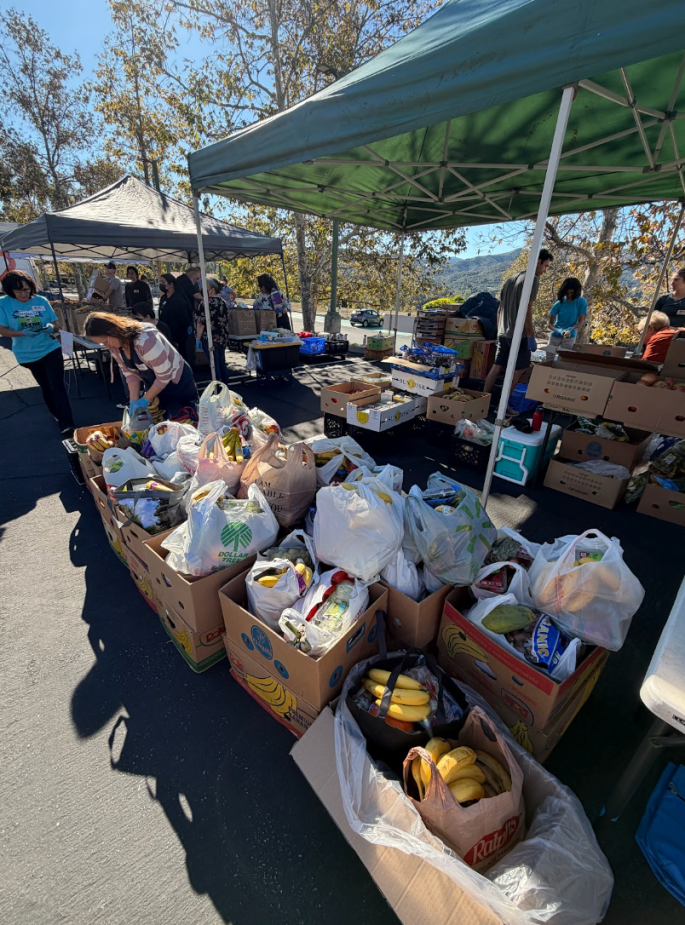
“It Feeds My Soul”: Mutual Aid as a Radical Model for Food Sovereignty

BY ANDREA CHOW Certain names, identifying details, and organizational affiliations in this article have been changed to protect the privacy of individuals involved. All interviews were originally conducted in Spanish and have been translated into English for clarity and readability. There’s a saying widely known across Latin America: Panza llena, corazón contento, or “Full stomach, … Continue reading “It Feeds My Soul”: Mutual Aid as a Radical Model for Food Sovereignty

The Right To Be Silenced

Exploring how epistemic injustice marginalizes local expertise in authorship, policy, and research, shaping whose knowledge counts in global health BY OYINKANSOLA ADEBOMOJO It was late December 2013 in Guéckédou, Guinea, a time that should have been festive and filled with celebration. Instead, local clinicians felt a growing sense of dread. Patients were arriving with severe … Continue reading The Right To Be Silenced

The Human Rights Crisis of CECOT

BY RISHABH GARG El Salvador's Centro de Confinamiento del Terrorismo (CECOT) is the largest prison in the Western Hemisphere with a capacity of 40,000 inmates.1 Construction of the massive 57-acre prison began in March 2022 as part of President Nayib Bukele's anti-gang crackdown. The facility was built specifically to imprison “Maras,” gang members described as … Continue reading The Human Rights Crisis of CECOT

Climate Change and Chronic Conditions: Disability and Inequality in a Warming World

BY NIDA KHAN It only took two weeks to forget what a lifetime of health felt like. Three years ago, I developed nerve pain in my hands and feet—one of the most challenging symptoms of having hypermobile Ehlers-Danlos Syndrome. Once my baseline for pain changed, so did my ability to conceive of having ever felt … Continue reading Climate Change and Chronic Conditions: Disability and Inequality in a Warming World

From the Operating Room to the Atmosphere: The Climate Impact of Inhaled Anesthetics

BY JOSHUA CHEN A 2022 study found that over 300 million people worldwide were administered anesthesia for surgery procedures every year1. With life-saving surgical procedures on the rise and the ever-present desire to keep them as painless as possible, the number of patients administered anesthesia every year is also rising2. While anesthetics can be administered … Continue reading From the Operating Room to the Atmosphere: The Climate Impact of Inhaled Anesthetics

Settler Colonialism Conspiring as Climate Change

BY MIIGIS CURLEY Recognizing that colonial activity is not limited to the past but rather a consistent factor dictating Indigenous life is critical to understanding how climate change creates communal displacement from homelands and cultural genocide. Various Indigenous communities in America and Oceania experience attest to the contemporary navigation of colonial violence. Who are leading … Continue reading Settler Colonialism Conspiring as Climate Change

Doctors Given Borders: The Causes and Costs of US IMG Concentration in Primary Care

BY GRACE UDOH The United States is facing a healthcare workforce shortage projected to reach a crippling 3.2 million by the year 2026¹. These numbers are not expected to decrease anytime soon, with an average of 1.8 million job openings in various areas of the US healthcare system every year². International Medical Graduates have been … Continue reading Doctors Given Borders: The Causes and Costs of US IMG Concentration in Primary Care

Microplastics and Infertility: An Invisible Crisis

BY SAM OBIOMA According to the International Union for Conservation of Nature (IUCN), over 430 million tons of plastic are produced every year. Via ultraviolet (UV) radiation, fragmentation, and even bacteria, plastic is broken down from everyday products into smaller fragments which, over time, have been found in our air, food, and water. Microplastics have … Continue reading Microplastics and Infertility: An Invisible Crisis

Plague and the Little Ice Age: A Harbinger of What is to Come?

BY PAIGE MAHONEY For Europeans, the middle of the 1300s was marked by cold and death. What scientists and historians have now deemed the Little Ice Age started at the beginning of the century, bringing with it famine as crops failed due to poor growing conditions. At the same time, the plague was devastating the … Continue reading Plague and the Little Ice Age: A Harbinger of What is to Come?