BY SARAH ECKINGER.Photography by Anthony MacMillan. When examining the history of health in Nigeria, many of the diseases and illnesses that have plagued the country are of natural origin, sprouting from bacteria or parasites that thrive in warm countries, or growing from viruses that jumped from animals to humans. Others are chronic and affect people … Continue reading Nigeria: Female Genital Cutting – The 20th Century Attempt to Ban a Harmful Traditional Practice
Author: yaleglobalhealthreview
Ecuador: Listening to a Community and Building Partnerships
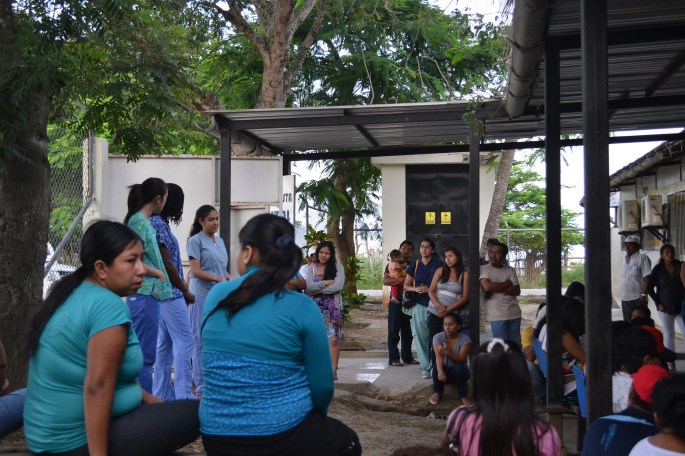
BY ADAM BECKMAN AND NORA MORGA-LEWY.Photography by Adam Beckman and Nora Morga-Lewy. “Why are you working on HIV in Ecuador? This question has challenged Yale undergraduates, MPH candidates, and Global Health Fellows who comprise the former Yale-Ecuador HIV Clinic Initiative. Each of us has lived for up to twelve weeks in a small Ecuadorian town, … Continue reading Ecuador: Listening to a Community and Building Partnerships
The Secret Theft of Human Rights
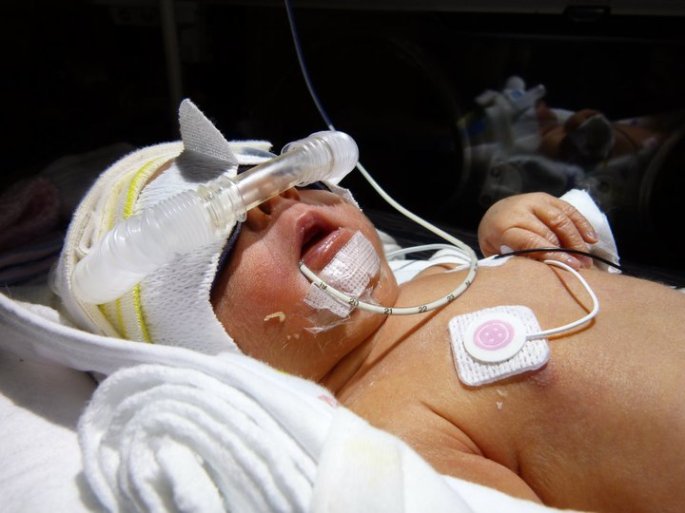
BY LINDSEY HIEBERT.Photography by Lindsey Hiebert. Birth and human rights are closely related; rights are principles and standards that protect individuals, and they are earned at birth, when individuals can begin to fruitfully take advantage of them. Many obstacles prevent human rights from being fulfilled, including oppressive regimes and discrimination. Birth, the same event that … Continue reading The Secret Theft of Human Rights
Haiti: Improving the Maternal Health Situation through Increased Contraceptive Use
BY RACHEL ARNESEN.Photography by Jose Jose and Jean Francoise Leblanc. Each day, about 800 women die from complications related to pregnancy or childbirth.[1] While 800 deaths per day is an alarming statistic, what is even more shocking is that almost all of these deaths—over 99% of which occur in developing countries—are preventable.[2] In the past … Continue reading Haiti: Improving the Maternal Health Situation through Increased Contraceptive Use
Cuba: Medicine and Medical Internationalism
BY ADAM WILLEMS.Photography by Franklin Reyes and the Wikimedia Foundation. Cuban medicine is unique in its international focus. Even while its people faced a severe shortage of physicians, the revolutionary government sent its first medical team abroad in 1960 to respond to an earthquake in Chile. With a significantly larger medical workforce today compared to … Continue reading Cuba: Medicine and Medical Internationalism
Arab World: Changing Public Health
BY CHAYMA BOUSSAYOUD.Photography by Jill Gramdnerg. From Morocco to Syria, the Arab World has made significant progress in the health of its population in the last 20 years, most notably in reducing the prevalence of infectious disease and prenatal and maternal mortality. As seen in the Global Burden of Disease Study of 2010, the prevalence … Continue reading Arab World: Changing Public Health
The BRICS Wall of Protection: What South Africa’s Patent Policy Means for the Future of National Health
BY ALEXANDER WARD. In 2001, the Doha Declaration guaranteed flexibility of public health initiatives within the WTO’s Agreement on Trade Related Aspects of Intellectual Property Rights (TRIPS). Included in the new legislation is the right for countries to issue compulsory licenses (CLs) for life-saving drugs, outline country-specific terms for the acquisition of these licenses, and … Continue reading The BRICS Wall of Protection: What South Africa’s Patent Policy Means for the Future of National Health
Ghana: The Evolving Problem of Mental Health
BY ALY MOORE.Photography and Graphics by Aly Moore. In 2005, only 32,875 people were hospitalized or given outpatient consultations in Ghana, representing a 98% treatment gap. Although mental, neurological, and substance use disorders combine for up to 13% of the global burden of disease, only an estimated 3.6% of Ghana’s current health budget is allocated … Continue reading Ghana: The Evolving Problem of Mental Health
Spina Bifida in Kenya: Beyond the Case Studies
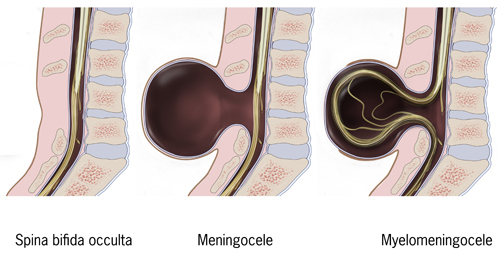
BY MILLIE CHAPMAN.Graphics by the Center for Disease Control. Spina bifida is a neurological disorder caused by the incomplete closing of the neural tube during embryonic development. It can lead to paralysis, abnormalities of the cerebellum, and orthopedic problems, among others. There is a high rate of Spina bifida in Kenya, where I spent this … Continue reading Spina Bifida in Kenya: Beyond the Case Studies
The Interdisciplinary Investments: Collaboration in Global Health
BY THERESA OEI.Photography by Janice Car for the CDC, and the NIAID. The global health field is, by nature, interdisciplinary. It encompasses technological innovation, scientific research, medical care, policy making, and economic development. Non-Governmental Organizations (NGOs) and Non-Profit Organizations (NPOs), however, typically address only one or two of these issues in an attempt to impact … Continue reading The Interdisciplinary Investments: Collaboration in Global Health