BY SHARNA SAHA
The refrigerator hums softly behind the pharmacy counter, its shelves lined with neat rows of insulin vials. The liquid inside is colorless, unremarkable — yet for millions, it is the difference between life and death. At the register, a plastic insurance card slides across the counter; the receipt that prints moments later shows a balance too large to ignore. The customer hesitates, calculating rent, groceries, and now, survival.
Half a world away, a different scene unfolds: researchers in crisp, white lab coats announce a gene therapy that may halt the relentless march of Huntington’s disease. Cameras flash, hope surges — and then the price is revealed: millions of dollars for a single dose, a cure dangled just beyond reach.
Whether discovered a century ago or unveiled just last year, medicines are meant to promise health. But today, a harsher truth rises to the surface: old or new, ordinary or miraculous, access to medicine is increasingly stratified by price, challenging the very notion of health as a universal human right.
It wasn’t always this way. In fact, one of the most essential — and costly — medicines in the world once cost a single dollar. When Frederick Banting and his colleagues discovered insulin in 1921, they sold the patent to the University of Toronto for only $1 with a simple vision: insulin should be available to all who needed it.1
A century later, that vision has fractured, not only in wealthy countries, but across the globe. In low and middle-income countries (LMICs), insulin remains chronically insufficiently available and often unaffordable. Limited local production, fragile supply chains, and the dominance of a few multinational manufacturers keep prices high and distribution patchy. Even when insulin does reach clinics, it depends on what’s known as a “cold chain,” a continuous system of refrigeration from factory to patient to keep the medicine stable. In many settings, this chain breaks down due to unreliable electricity, inadequate storage, or long transport times. As a result, insulin can degrade before it’s used, leading to substandard or ineffective doses. For many patients, especially in rural areas, the journey to obtain reliable insulin involves long travel, inconsistent stock, and prohibitive costs. What had originally begun as a symbol of generosity now shows how essential medicines can fail those who need them most.
If insulin represents a century of broken promises, gene therapy represents a new frontier where access gaps are being built into the system from the very start. In recent years, therapies for conditions once deemed incurable, like Huntington’s disease, spinal muscular atrophy, and sickle cell disease, have ignited hope around the world. These treatments don’t just manage symptoms; they can fundamentally alter or even cure the underlying genetic defect.2
But these breakthroughs come at a price that places them far beyond the reach of most health systems. A single course of Huntington’s treatment can cost between one and three million US dollars, making these therapies some of the most expensive medical interventions ever created.3 In wealthy countries, access is often limited to those with comprehensive insurance or inclusion in special programs. In low- and middle-income countries, these therapies remain almost entirely out of reach—not because of a lack of scientific progress, but because the economics make them inaccessible.
Gene therapy’s price is often justified by pharmaceutical companies as a reflection of development costs, small patient populations, and their “one-time cure” potential.4 But these justifications mask deeper structural issues: monopolies on patents, opaque pricing strategies, and the absence of global mechanisms to ensure equitable distribution. The result is a widening gap between what is scientifically possible and socially accessible — a gap measured not in medical breakthroughs that comes at the cost of human lives.
These two stories reveal that access to lifesaving treatments is treated as a privilege, not a right. Yet international law tells a different story. The Universal Declaration of Human Rights and the International Covenant on Economic, Social and Cultural Rights both enshrine access to health and essential medicines as fundamental human rights. When price, geography, or patent regimes determine who receives care, these rights are violated. The gap between scientific possibility and lived reality is not inevitable — it is the result of political choices about how we value health, innovation, and equity.5
The barriers to affordable medicines are not immutable. For insulin, expanding generic and biosimilar production, enforcing fair pricing, and strengthening cold chain infrastructure could bring us closer to the promise envisioned a century ago. New pricing models for gene therapies like pooled procurement, subscription schemes, or patent pooling, could help bridge the affordability gap. More fundamentally, governments and global institutions must treat access to medicines not as a market commodity, but as a shared human right. If we fail to make lifesaving medicines accessible to all, the greatest advances of our time will become the greatest inequities of our age.
Images:
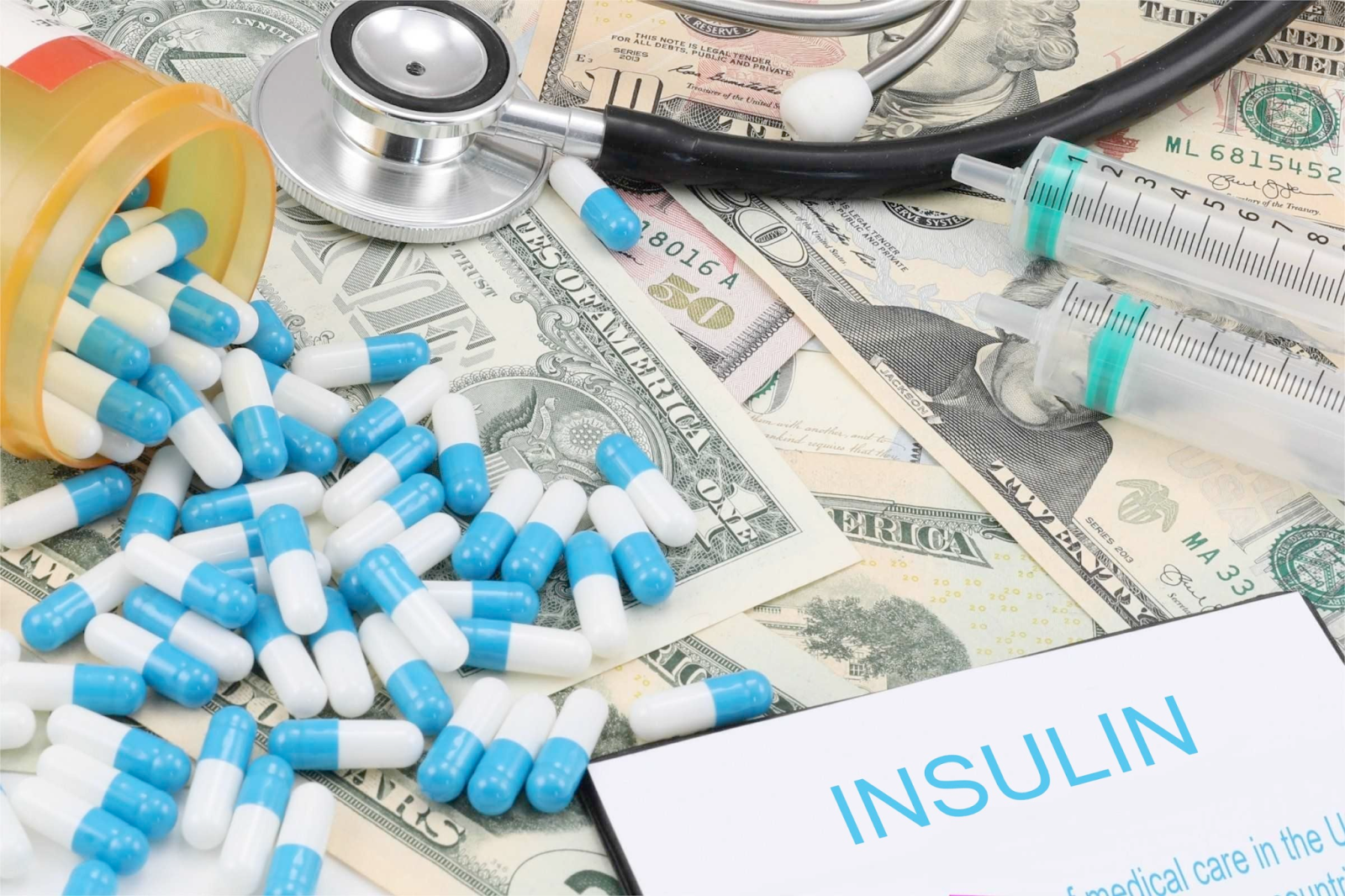
Insulin-related medical items: capsules, syringes, a stethoscope, and a note reading “insulin.” Courtesy of Pix4free / Nick Youngson.
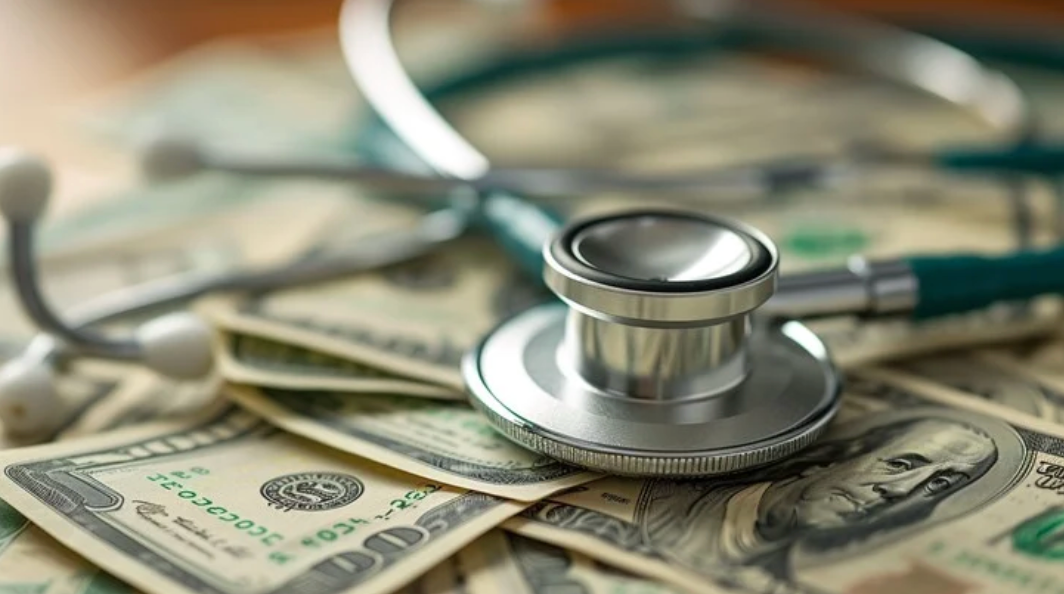
A stethoscope lies on dollar bills, representing the high cost of healthcare. Courtesy of StockCake.
——————————
References
- Hirsch, I. B. (2016). Insulin in America: A Right or a Privilege? Diabetes Spectrum : A Publication of the American Diabetes Association, 29(3), 130–132. https://doi.org/10.2337/diaspect.29.3.130
- Buntz, B. (2024, April 26). With costs up to $4.5M, cell and gene therapies redefine norms. Drug Discovery and Development. https://www.drugdiscoverytrends.com/how-price-safety-and-efficacy-shape-the-cell-and-gene-therapy-landscape/
- The estimated annual financial impact of gene therapy in the United States | Gene Therapy. (n.d.). Retrieved October 11, 2025, from https://www.nature.com/articles/s41434-023-00419-9
- Wouters, O. J., McKee, M., & Luyten, J. (2020). Estimated Research and Development Investment Needed to Bring a New Medicine to Market, 2009-2018. JAMA, 323(9), 844–853. https://doi.org/10.1001/jama.2020.1166
- International Covenant on Economic, Social and Cultural Rights. (n.d.). OHCHR. Retrieved October 11, 2025, from https://www.ohchr.org/en/instruments-mechanisms/instruments/international-covenant-economic-social-and-cultural-rights
 Yale Global Health Review